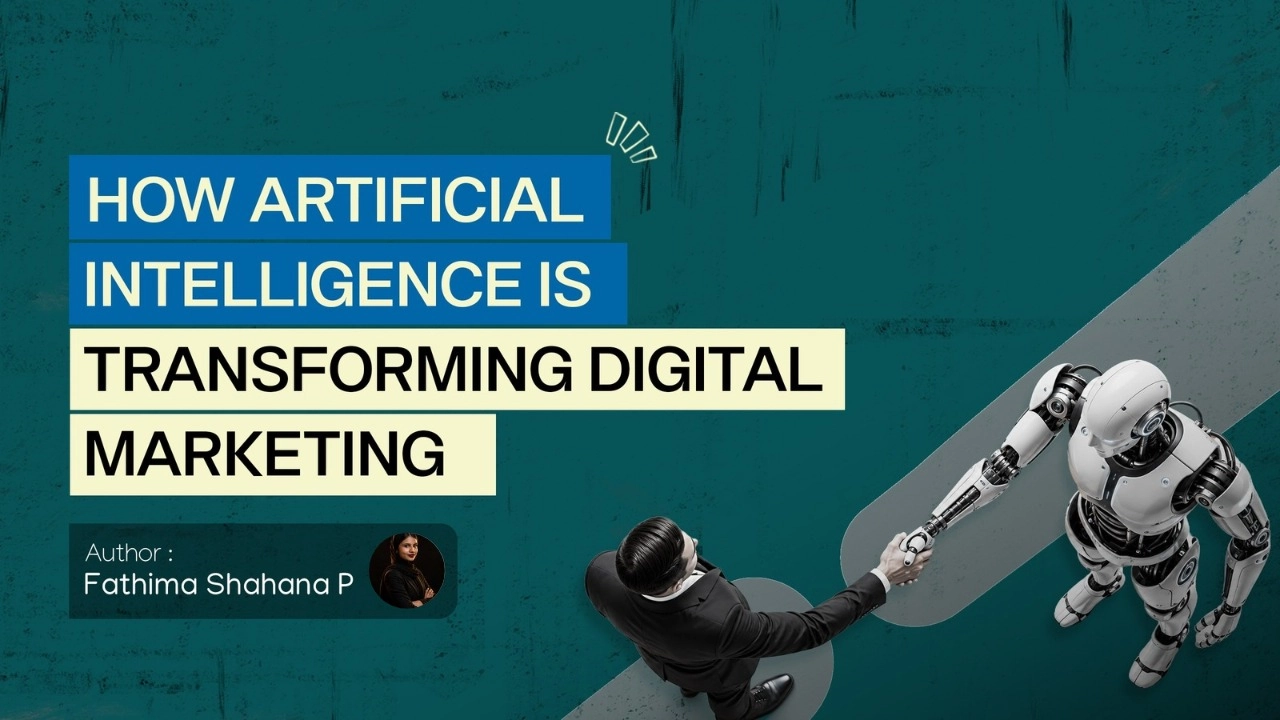
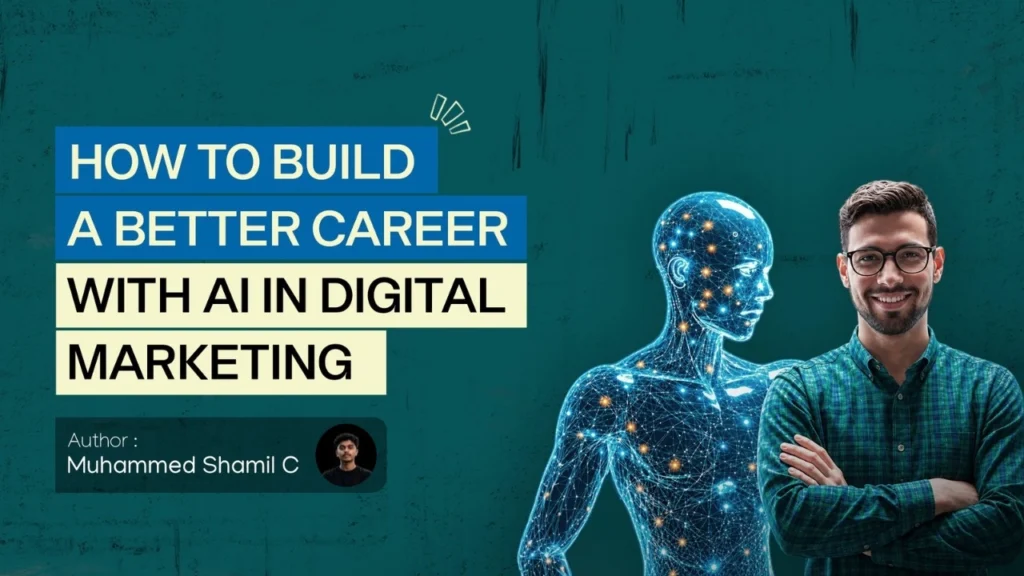
When I first heard that AI would change digital marketing, I felt excited and a little scared at the same time. My feed was full of people saying copywriters were finished and ad managers would be replaced by a prompt box. I don’t believe that anymore, and I want to explain why.
AI in marketing is not a threat to your career. It is a tool, and like every tool before it, it rewards the people who learn it early and use it with good judgment. I’m building my own digital marketing career right now, so this isn’t advice from a mountaintop. It’s my honest opinion from the middle of the climb.
Learn marketing before you learn the tools
This is my first strong opinion. Do not start with AI tools. Start with marketing. Tools change every few months. ChatGPT, Gemini, Claude, Canva AI, Jasper and whatever launches next week will all look different a year from now. But search intent, customer psychology, positioning and the customer journey stay valuable for decades.
If you don’t know what a great headline does, AI will hand you a hundred average ones and you won’t know which to pick. So spend real time on SEO, content marketing, social media marketing, Meta ads, email marketing and analytics. Then add AI on top. In my experience AI makes a skilled marketer faster and an unskilled marketer confidently wrong.
Treat prompts like a professional skill
People call it prompt engineering, but I think it’s simply clear thinking written down. A weak prompt says “write an Instagram caption for my product.” A strong prompt explains who the audience is, what the offer is, which emotion you want to create, what tone fits the brand and what action the reader should take next.
Better inputs give better outputs, every time. And never publish the first draft. I treat everything AI writes as a rough sketch from a quick junior assistant. It gives me speed, but I still own the quality.
Let AI handle the repetitive work
The biggest win for me is time. Generative AI is brilliant at the repetitive parts of marketing. Keyword clustering, content outlines, subject line variations, ad copy testing, meta descriptions, transcript repurposing, reporting summaries and basic marketing automation all become much faster.
That time should go somewhere useful. Use it for strategy, customer research, creative ideas and talking to real people. The marketers who win won’t be the ones who produce the most content. They will be the ones who use the saved hours to think better.
Use AI to sharpen social media and paid ads
Social media management and Meta ads reward fast testing. AI helps me brainstorm hooks, write ad scripts, plan reels and create several creative angles for the same offer. Then real audience data decides the winner. Run small budgets, compare results and keep what works. Let performance, not ego, pick the best idea. AI gives you more options, but your testing habit gives you better results.
Get ready for SEO, AEO and GEO
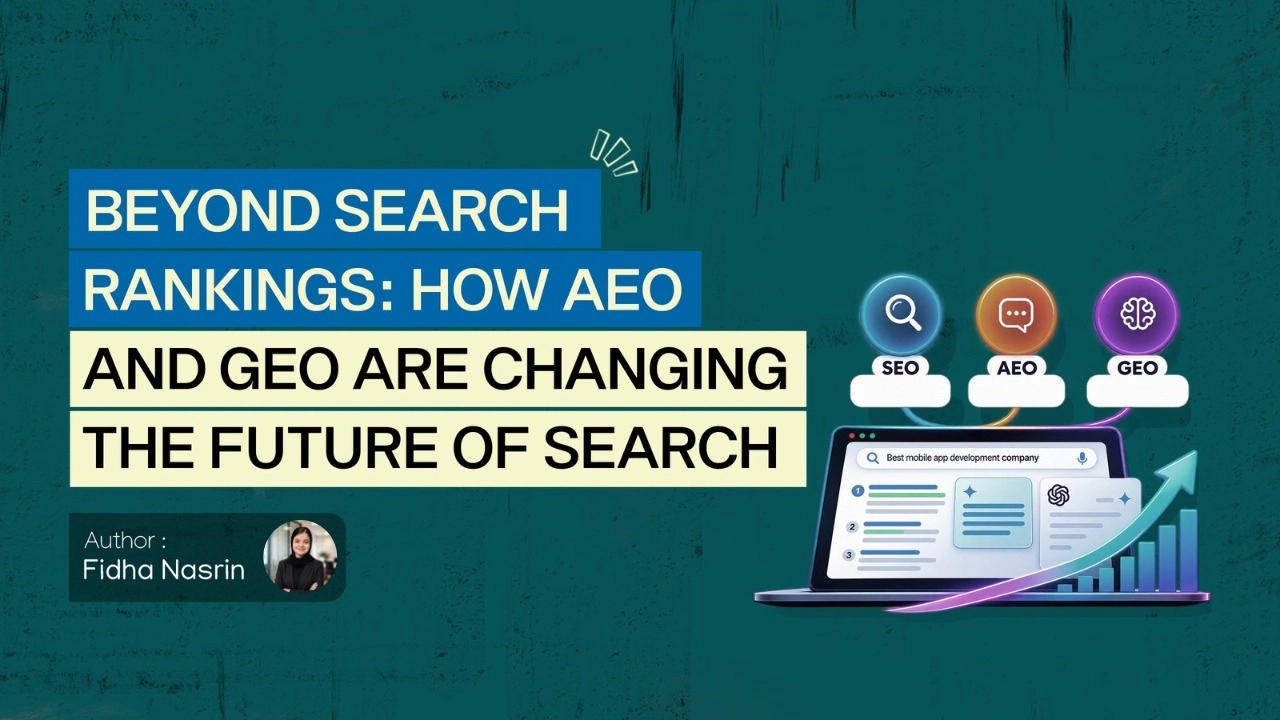
Search is changing, and every marketer should pay attention. People now ask questions to ChatGPT, Perplexity and Google AI Overviews instead of scrolling through ten blue links. That’s why I believe traditional SEO now needs two partners.
Answer engine optimization, or AEO, means structuring your content so it can be pulled into direct answers. Think clear headings, short and honest answers near the top, and helpful FAQ sections. Generative engine optimization, or GEO, means making your brand, expertise and reputation easy for AI models to understand, trust and mention.
Add schema markup, keep your content fresh and show real experience, expertise, authority and trust in everything you publish. Zero click searches are growing, so a brand that gets cited inside an answer can win even without a visit. Learning these three skills together makes you far more valuable than someone who only knows keyword stuffing from five years ago.
Use data and personalization wisely
Customers expect marketing that feels relevant. Machine learning supports that through audience segmentation, predictive analytics, email personalization, chatbots, recommendation engines and smarter lead generation. It can spot patterns in customer behaviour that a human would take weeks to find.
But here is the catch. AI can show you a pattern, and only you can decide what it means. Learn to read Google Analytics 4, Looker Studio and Meta Ads Manager properly. Understand conversion rate optimization, split testing and return on investment. A marketer who can explain the numbers in plain language will always be in demand.
Protect your human voice
Audiences can smell generic content from a mile away. Most AI text sounds the same because it is trained to sound safe. Your career advantage is the opposite. Your stories, your opinions, your local context and your honest mistakes are what make content feel alive.
My rule is simple. AI drafts, I decide. I add real examples, fact check every claim and rewrite until it sounds like me. That also keeps content original, helps it pass plagiarism checks and fits Google’s focus on helpful content written for people. Brand voice is becoming one of the most valuable things in marketing, and no tool can fake it for long.
Build proof, not just certificates
Courses and certificates are useful, and I’m learning a lot from my own digital marketing course. But hiring managers and clients want proof. Build a portfolio with small real projects. Run a Meta ads test for a local shop. Create a thirty day content calendar. Do an SEO audit for a small website. Grow a personal brand on LinkedIn or Instagram.
Then write each project as a short case study. Explain the goal, the AI tools you used, the actions you took and the results you saw. Showing how you work with AI inside a real marketing process tells employers far more than a list of tool names.
Pick a lane and grow around it
I’m a big believer in the T shaped marketer. Go deep in one area such as SEO, paid advertising, content writing, social media management or email automation. Then build broad AI literacy across everything else.
This combination opens doors to roles like AI content strategist, SEO specialist, performance marketer, marketing automation specialist and social media manager. It also works for freelancers and consultants who offer services directly to businesses. Specialists with AI skills can charge more because they deliver faster and with better insight.
Stay ethical and transparent
Trust is the real currency in marketing. Be careful with customer data and follow privacy rules. Be honest when AI helps create something important. Watch for bias and made up facts in AI answers. One careless mistake can damage a brand, and people remember who caused it.
Keep learning in small daily steps
You don’t need to master everything this month. Give thirty minutes a day to testing one new AI feature, reading one industry update or improving one project. Share what you learn on LinkedIn. Teaching others in public builds your personal brand and sharpens your own understanding at the same time. Over a year, those small steps turn into a serious career edge.
My final thoughts
AI will not replace marketers who think, create and care. It will replace marketers who refuse to adapt. That’s my honest view. So learn the fundamentals, practise with AI every day, build proof of your work, protect your voice and keep your ethics strong.
The future of digital marketing belongs to people who combine human creativity with smart technology. If you start now, you will be ahead of most.